Few interview questions feel as simple — yet cause as many problems — as “Tell me about yourself.”
Most candidates think this is an easy warm-up.
In reality, it’s one of the most decisive moments in the entire interview.
Here’s something that surprises many experienced professionals:
More experience does not guarantee better interview performance.
In fact, the more senior you are, the easier it is to get this question wrong.
Not because you lack confidence.
Not because you don’t know what to say.
But because you say too much, or you say it without structure.
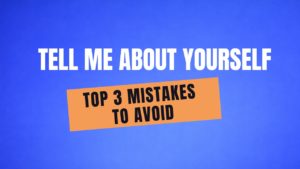
After more than 20 years of interview coaching and working with thousands of candidates through InterviewGold, I see the same three mistakes appearing again and again. These mistakes quietly cost people job offers — often within the first two minutes of the interview.
In this article, we’ll break down the top three mistakes candidates make when answering “Tell me about yourself”, and — most importantly — how to fix them.
Why “Tell Me About Yourself” Matters So Much
Interviewers ask this question first for a reason.
- They’re not being casual
- They’re not filling time
- They’re assessing how you communicate, prioritise, and position your value.
Your answer sets the tone for the entire interview. A strong, structured response builds confidence in you straight away.
A weak or rambling one creates doubt — and everything you say afterwards is judged through that lens.
Let’s look at what goes wrong.
Mistake #3: Getting Too Personal
This is extremely common.
Candidates hear “Tell me about yourself” and assume the interviewer wants to know who they are as a person. So they start talking about:
- Where they grew up
- Their family background
- Personal challenges
- Hobbies and interests
- Their life story
Let’s be very clear.
Interviewers are not asking who you are personally.
They are asking who you are professionally.
Too much personal information:
- Wastes valuable interview time
- Dilutes your professional message
- Makes it harder for interviewers to assess and score you
- Creates confusion about your suitability
That doesn’t mean you can never include a personal element. You can briefly reference something human or relatable at the end of your answer — if it’s relevant to the role or culture.
But your opening must always be professional, focused, and job-related.
Think of this answer as your professional introduction, not your biography.
Mistake #2: Walking Through Your CV Chronologically
This is the classic mistake.
Candidates start at the beginning and say things like:
“I went to school here, then I studied this, then I joined this company, then I moved to that company…”
Two minutes later, they’re still talking — and they still haven’t said anything that clearly shows why they should be hired.
Here’s the problem:
Interviewers already have your CV.
They don’t need it read back to them line by line. What they want is confirmation that:
- You can do the job
- You bring value
- You understand their needs
- You can solve their problems
A chronological CV walk-through:
- Sounds unfocused
- Buries your strongest achievements
- Makes senior candidates sound junior
- Suggests you lack strategic thinking
Instead of listing roles, you should be:
- Explaining who you are now
- Highlighting key achievements that matter to this role
- Showing how your skills and experience align with what they need
Your answer should feel like a professional snapshot, not a history lesson.
Mistake #1: Rambling With No Structure
This is the biggest mistake — and the one that costs more job offers than anything else.
Ironically, the more experienced you are, the more likely you are to do this.
Why?
Because you know too much.
You try to include:
- Every role
- Every responsibility
- Every achievement
But an interview is not a data dump.
It’s a communication exercise.
When you ramble:
- Your key strengths get buried
- Your message becomes unclear
- Your confidence appears shaky
- Your value gets diluted
You may say good things — but nothing stands out.
Worse still, rambling early in the interview creates a negative first impression. Once that happens, everything else you say is subconsciously judged through that lens.
That’s why this question matters so much.
Know What To Say on Your Application and Interview
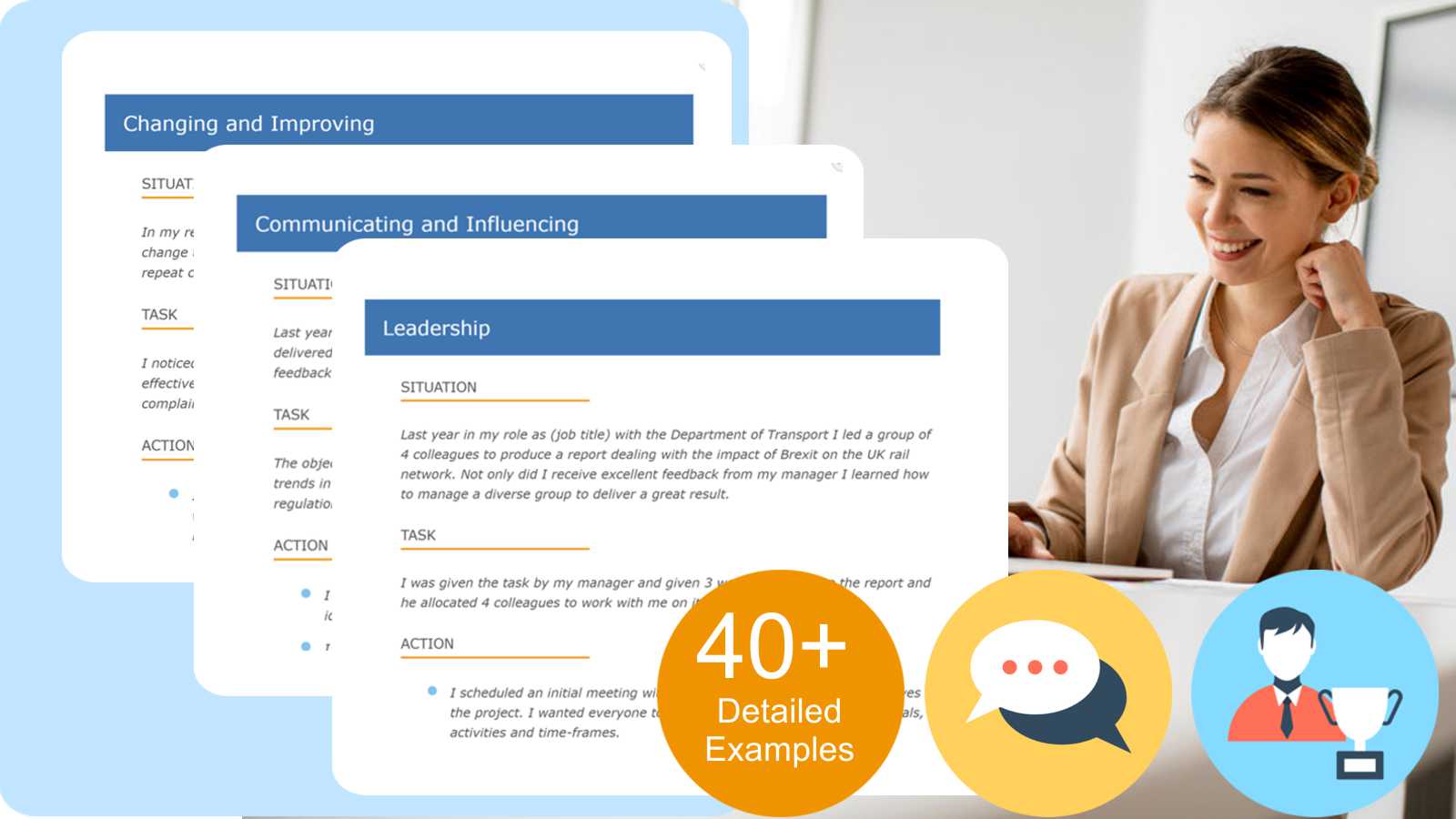
The Simple Fix That Solves All Three Mistakes: Structure
The good news?
All three mistakes have the same solution.
Structure.
When your answer is structured:
- You stay concise
- You stay relevant
- You stay in control
You stop improvising.
You stop rambling.
And you start delivering a clear, confident, professional opening.
A strong structure allows you to:
- Lead the interviewer
- Highlight what matters most
- Demonstrate clarity of thought
- Create a powerful first impression
Most importantly, this one answer becomes the foundation for the entire interview. Get it right, and everything else flows more naturally.
What a Strong “Tell Me About Yourself” Answer Really Does
A well-structured answer achieves three things:
- Positions you immediately
The interviewer understands your professional identity within seconds. - Highlights your value
You clearly connect your experience to what the employer needs. - Builds confidence
You sound focused, deliberate, and in control.
This is exactly what interviewers are listening for — especially in competitive roles.
Quick Recap: The Top 3 Mistakes
Let’s summarise.
The three biggest mistakes candidates make when answering “Tell me about yourself” are:
3️⃣ Getting too personal
Talking about life history instead of professional value.
2️⃣ Walking through your CV from school onwards
Repeating information instead of interpreting it.
1️⃣ Rambling with no structure
Saying too much without a clear message.
Fix these, and interviews suddenly feel easier, calmer, and more controlled.
Final Thought
“Tell me about yourself” is not a throwaway question.
It’s your opportunity to set the narrative.
When you answer it with clarity and structure, you don’t just respond — you lead the interview.
If you want a simple, powerful formula that shows you exactly how to structure this answer for maximum impact, check out the full video and resources linked below.
Good luck with your interview preparation — and remember:
The right structure changes everything.